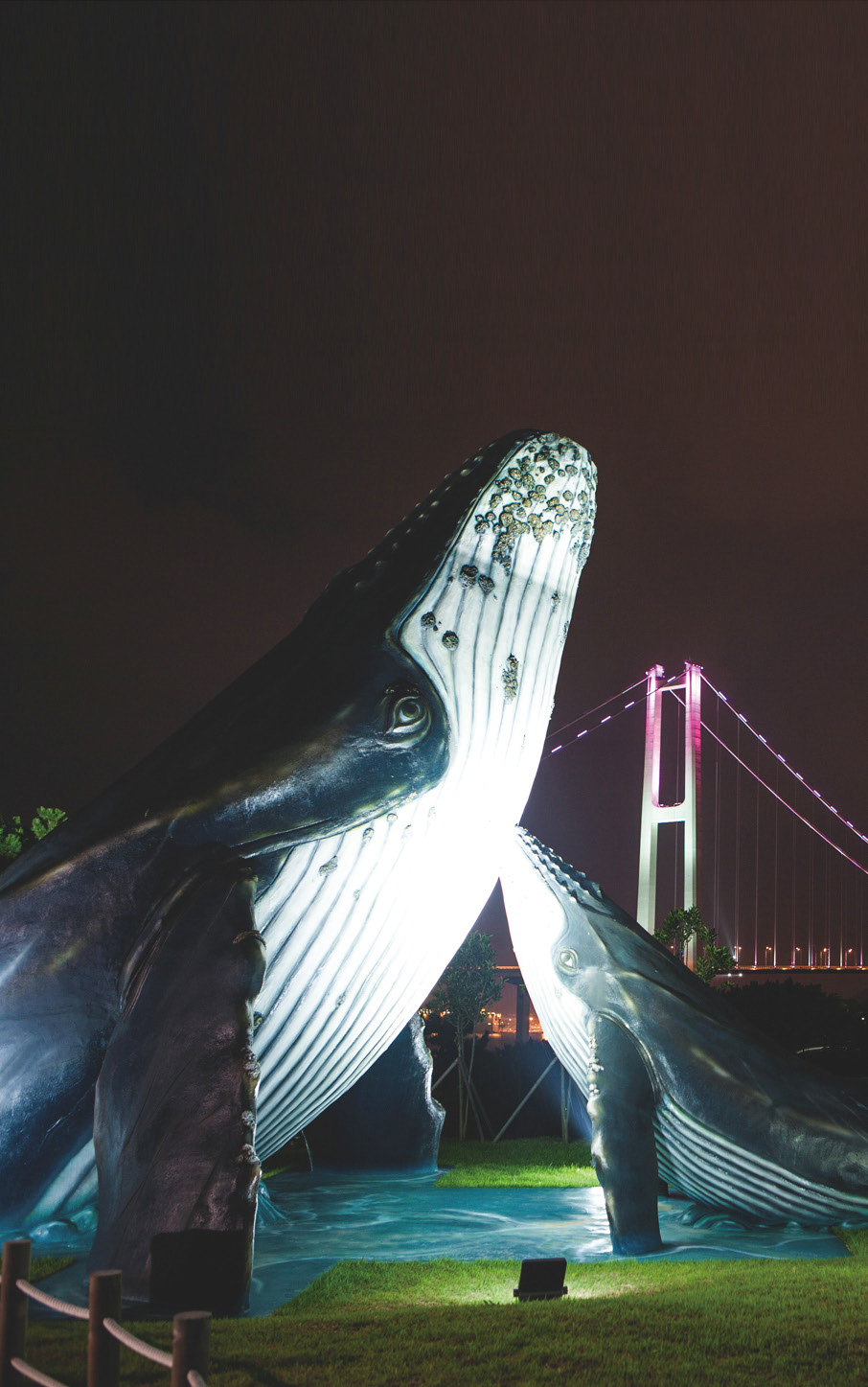
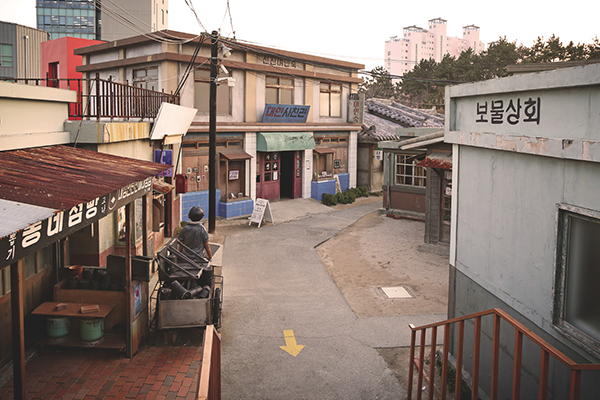
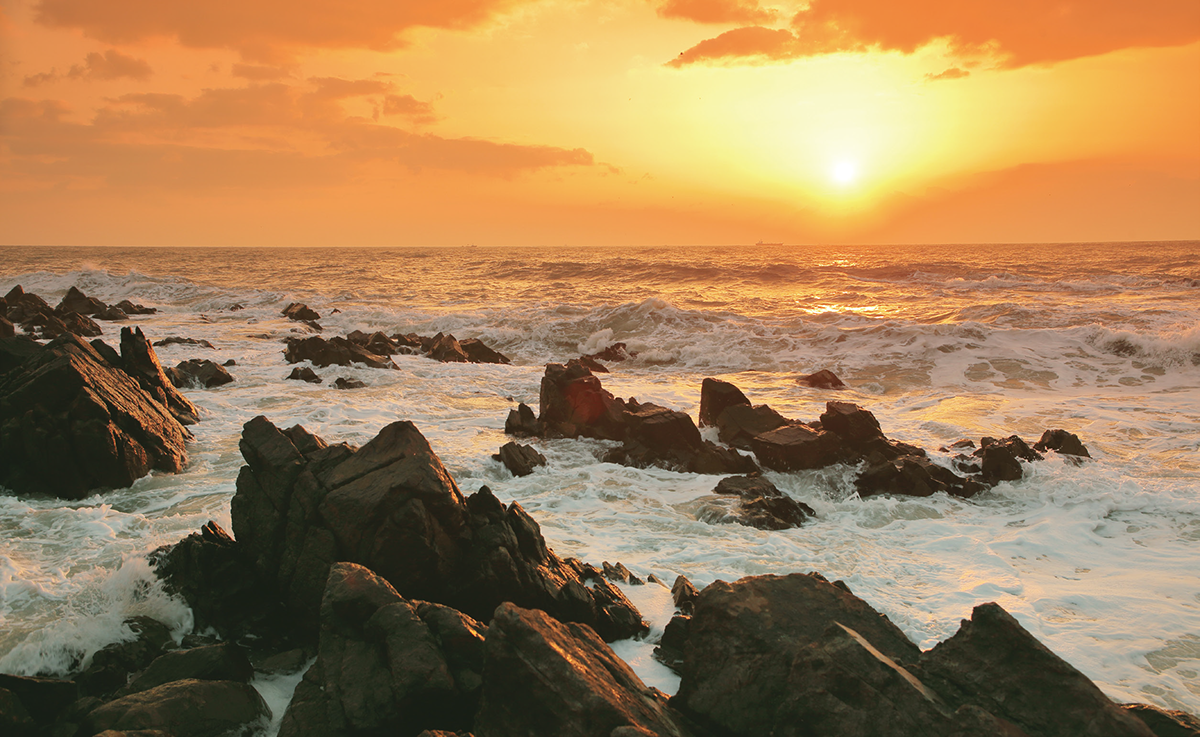
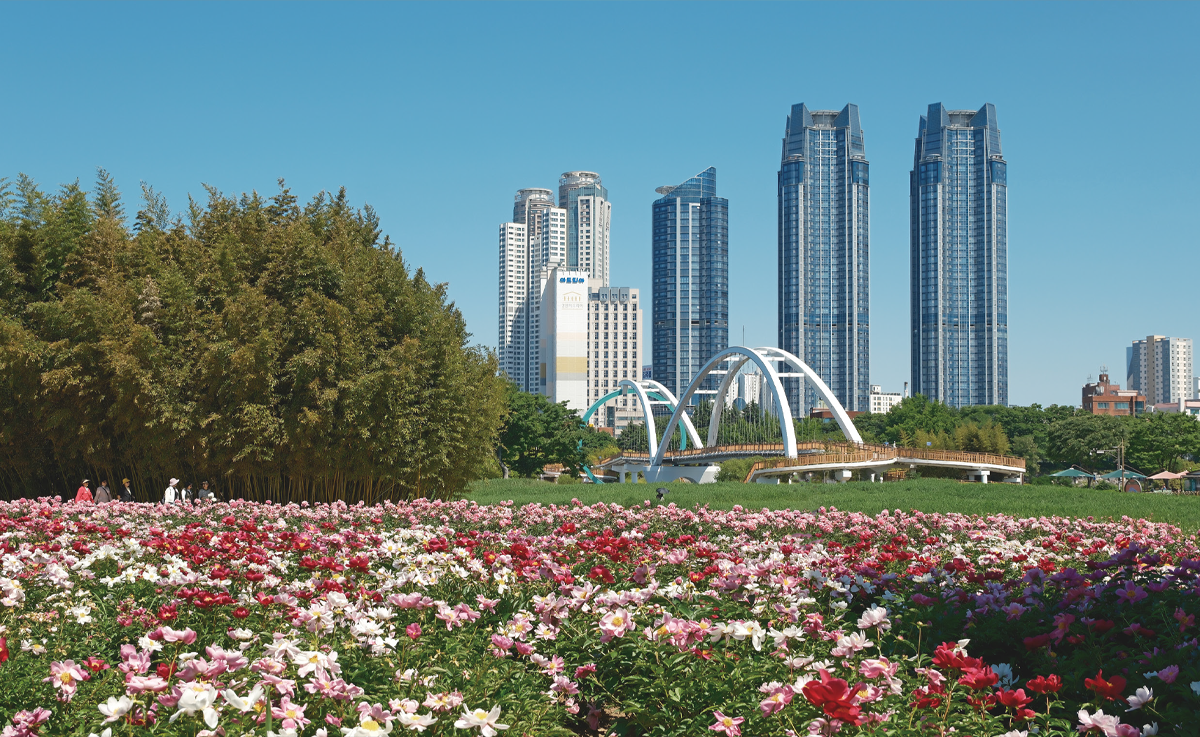
The real charm of Ulsan begins the moment you break free from the stereotype of it being just a cold industrial city. From the Jangsaengpo Whale Culture Special Zone—where visitors can experience both the retro atmosphere of the 1970s and the sight of blue dolphins—to the magnificent scenery of Ganjeolgot, the first place on Korea’s east coast to greet the morning sun, from the refreshing greenery of Taehwagang National Garden that miraculously transformed from a river of death into a forest of life to the Bangudae Petroglyphs and the creative art spaces of Buk-gu that have become artistic hubs of Ulsan—it is time to experience an Ulsan that is way more than anything we ever imagined.
Text & Photos by. Woonsuk Lim, travel writer
Even Whales Dance in Ulsan
When people think of Ulsan, they often picture giant factory chimneys and landscapes dominated by cold steel. The moment visitors step into the Jangsaengpo Whale Culture Special Zone, however, those preconceptions pleasantly fade away. The Whale Culture Village within the special zone faithfully recreates the appearance of Jangsaengpo during its heyday as a whaling industry center. Walking through its alleys feels like stepping back in time to a fishing village of the 1970s.
For a more memorable time-travel experience, visitors can rent vintage school uniforms and stroll through the village streets. Familiar scenes unfold one after another including a whale processing site, an old-fashioned school, a post office, and the homes of former whalers. Along the way, visitors experience the warmth and vitality hidden behind the city’s industrial image.
The village’s appeal goes beyond simply preserving the past.
The village vividly brings to life the dreams and imagination of people who once lived alongside whales through modern cultural content. As a result, travelers can fully experience “the Ulsan where stories come alive.” Whimsical sculptures and murals scattered throughout the village also capture attention, bringing the energy of the past into the present and transforming the entire neighborhood into one giant storybook.
Standing just a short walk from the village is Jangsaengpo Whale Museum, Korea’s only museum dedicated exclusively to whales. The museum displays enormous whale skeletons as well as the former whaling vessel Jinyangho No. 6 in its original form. Visitors gain a profound understanding of the challenging lives once lived by those who battled the sea for survival.
Another must-see attraction is the Whale Ecology Experience Center, Korea’s first exhibition-style aquarium where visitors can observe the daily lives of dolphins. In addition to showcasing various aquatic species, it also serves as a Marine Animal Rescue and Treatment Center designated by the Ministry of Oceans and Fisheries. The graceful movements of dolphins swimming quietly through the water gently remind visitors of the importance of preserving marine ecosystems.
Jangsaengpo Whale Museum
A244 Jangsaengpogorae-ro, Nam-gu, Ulsan
T052-256-6301~2
Jangsaengpo Whale Culture Village
A 271-1 Jangsaengpogorae-ro, Nam-gu, Ulsan
T 052-226-0980
The Pride of Ulsan: Wishes at Ganjeolgot and the Miracle of the Taehwagang River
Located at the edge of Korea’s eastern coastline, Ganjeolgot is the first place in the nation to greet the sunrise. Crowds gather from across the country to witness this magnificent spectacle every year, especially around the New Year. Its geographical symbolism as the place that first breaks the darkness is deeply inspiring. As a result, it has become a destination where people mark important turning points in their lives and make new resolutions.
The giant Wish Mailbox is Ganjeolgot’s most iconic landmark. Travelers carefully write their wishes and aspirations on postcards addressed to their future selves. The strong sea breeze sweeping across the open ocean instantly clears away the fatigue of everyday life and fills visitors with renewed energy.
Standing nearby is a statue depicting a mother and a daughter gazing out at the distant sea while enduring the harsh ocean winds. The monument is based on the legend of loyal Silla official Park Jesang’s wife, who turned to stone while waiting for her husband to return safely from Wae (ancient Japan). The sorrowful longing reflected in the mother and daughter’s gaze remains deeply moving. Their earnest wish from long ago seems to overlap with the hopes and dreams of those who visit Ganjeolgot today.
While Ganjeolgot embodies the powerful energy of the sea, Taehwagang National Garden symbolizes healing and recovery in Ulsan. Taehwagang River used to be known as a “river of death,” where industrial wastewater flowed directly into the water and caused massive fish kills. Through persistent efforts by both public and private sectors, however, this river of despair was eventually transformed into the vibrant green garden seen today.
At the heart of the garden lies the 4.3-kilometer Simnidaesup Bamboo Grove, which serves as Ulsan’s green lungs. The history of this vast bamboo forest is deeply rooted in the region. During the Japanese colonial period, bamboo was planted on the sandy riverbanks to prevent flood damage to nearby farmland caused by frequent flooding. What once served as a protective barrier against floods has evolved into one of the city’s largest and most beloved retreat.
Whenever the wind passes through the grove, the bamboo leaves create a soothing melody. Listening to this sound, visitors quickly forget that they are standing in the middle of a city. The lush garden hidden behind Ulsan’s industrial image and the dramatic transformation of Taehwagang River from a river of death into a forest of life vividly demonstrate how imagination can become reality.
Ganjeolgot
A Daesong-ri, Seosaeng-myeon, Ulju-gun, Ulsan
T 052-204-1000
Taehwagang National Garden
A 154 Taehwagang National Garden-gil, Jung-gu, Ulsan
T 052-229-3147
From Petroglyphs to Creative Studios: Ulsan’s Imagination Connecting the Ages
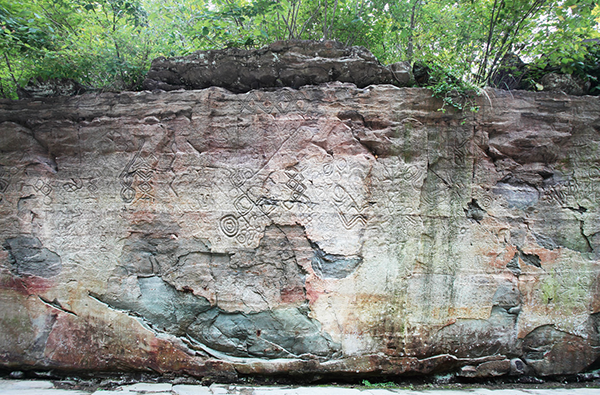
Following Daegokcheon Stream upstream from Taehwa River leads to Bangudae, a rock formation shaped like a crouching turtle. Carved into the cliff face are the Ulsan Bangudae Petroglyphs, a UNESCO World Heritage site measuring 4.5 meters high and 8 meters wide. More than 200 prehistoric carvings depicting both terrestrial and marine animals are engraved on the rock surface. The whale depictions are particularly remarkable, detailed enough to identify specific species including a bowhead whale spouting water and a gray whale carrying its calf. The site is unique in the world as a record illustrating the entire process of organized whale hunting and processing by prehistoric people. Standing before the petroglyphs feels like communicating with a timeless work of art. The primal energy of people who dreamed of a prosperous future even amid harsh conditions seems to resonate throughout the body. Nearby, the Ulsan Petroglyph Museum—the only museum of its kind in Korea—offers precise replicas and touchscreen displays that allow visitors to appreciate details that may be difficult to observe from a distance at the actual site.
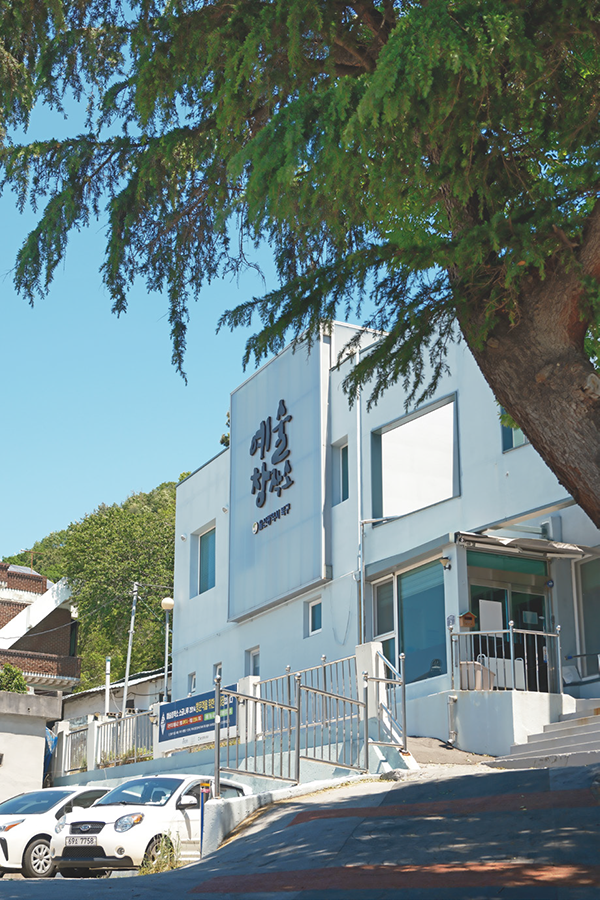
If the Bangudae Petroglyphs represent the legacy of prehistoric people, Buk-gu in Ulsan is home to creative spaces for emerging contemporary artists. “Buk-gu Art Creation Center Gamsunggaengdo 2020” in Sincheon-dong is a multidisciplinary cultural arts space created by remodeling the former Sincheon-dong Community Center. Its name combines the year of its opening with the idea of uncovering artistic sensibilities from everyday life, much like extracting minerals from a dark mine. Each year, the center selects artists from various disciplines—including visual arts, performing arts, and literature—and operates an artist residency program. Resident artists are provided with creative workspaces, financial support, critic-matching programs, and other opportunities for professional development. Artists actively engage with the local community through art, beginning with introductory exhibitions and culminating in year-end showcase exhibitions.
“Buk-gu Art Creation Center Sogeumnaru 2014” in Yeompo-dong is a specialized support space for art creation focused on visual arts. Reflecting the area’s historical identity as a former salt port, the name embodies the aspiration to spread artistic energy throughout the community just as salt dissolves into water. The number represents the year when the center was selected for a government-supported residency program. Through nationwide open calls, the center identifies talented artists who are shaping contemporary art. Selected artists are provided with personal studios, creative activity grants, critic-matching programs, and other structured incubation support. Artists present final outcome exhibitions in autumn and winter following introductory exhibitions in spring, engaging directly with the public.
This way, Ulsan’s creative spaces inherit the energy of prehistoric times and transform it into contemporary imagination. Artists and local residents communicate through art and grow together. Like the prehistoric people who dreamed of abundance even in difficult environments, Ulsan continues to move toward a more meaningful future.
Ulsan Petroglyph Museum
A 254 Bangudaean-gil, Dudong-myeon, Ulju-gun, Ulsan

 View previous
 이전호 보기