As the last chill of early spring fades, gentle sunlight settles in its place. Following the soft breeze leads to Yongin, a vibrant city brimming with the energy of spring. From picturesque flower-filled destinations to places layered with the passage of time, and lively attractions filled with family laughter—this journey invites you to the diverse landscapes of Yongin, all wrapped in the magnificence of the season.
Text & Photos by. Woonsuk Lim, travel writer
Gasil Cherry Blossom Road Immersed in the Scent of Blossoms
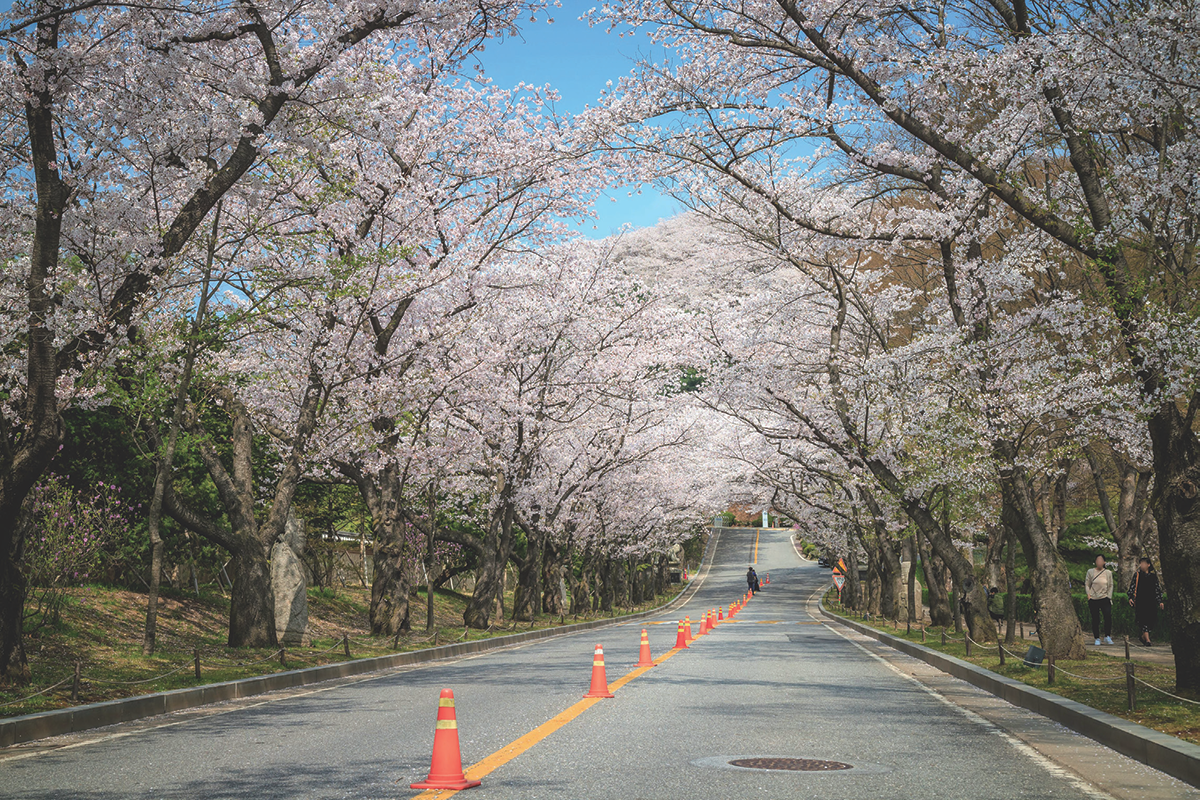
At this time of year, bathed in warm sunlight, the first destination in Yongin is Gasil Cherry Blossom Road. This stretch—recognized as the seventh of Yongin’s Eight Scenic Views—is lined with countless king cherry trees forming a magnificent floral tunnel, making it a must-visit spring destination. By midday, it is not surprising at all to see this place crowded with visitors. An early morning visit is the best choice for those seeking a quieter, more tranquil experience of spring. Petals drifting on the breeze create a dreamlike rain of blossoms, with soft pink reflections on the lake offering photographers the perfect angle to capture a passing moment.
As the season lightens both your step and your attire, your path gently leads you to Ho-Am Art Museum. Opened in 1982 based on the collection of Lee Byung-chul, founder of the Samsung Group, the museum presents a wide spectrum of art—from national treasures of traditional Korean art to refined contemporary exhibitions. In particular, the walking trail connected to the traditional garden “Heewon” adds an elegant, East Asian refinement to the vibrant charm of Gasil Cherry Blossom Road. Together, they offer the very pinnacle of spring—an experience that can only be enjoyed during this fleeting season.
ⓒYongin City
Gasil Cherry Blossom Road
A 190-14, Gasil-ri, Pogok-eup, Cheoin-gu, Yongin-si, Gyeonggi-do, Korea
Encountering Spring at Two Botanical Gardens of Distinct Character
In Baegam-myeon, Cheoin-gu, Yongin, two destinations— located just 8 km apart—herald the arrival of spring, each with its own distinct charm: Yongin Birch Forest and Hantaek Botanical Garden. The recently opened Yongin Birch Forest has quickly gained popularity on social media for its modern and stylish atmosphere. Meanwhile, Hantaek Botanical Garden, established in 1979, offers a more mature beauty with vibrant floral displays across its 34 themed gardens. Whether you choose the fresh allure of a newly opened forest or the depth of a lush, long-established botanical haven, both locations showcase spring at its most vivid.
Yongin Birch Forest draws visitors with its refined aesthetic. Passing the fountain plaza at the entrance, guests are welcomed by a refreshing artificial waterfall behind the café. The greenhouse garden filled with diverse plants and decorative elements serves as a vast photo zone, transforming into a cultural space hosting small concerts on weekends. Maintaining a constant temperature year-round, the greenhouse even features thriving banana trees, captivating younger visitors. The observatory overlooking the forest is the highlight, offering sweeping views of both the charming gardens and the expansive landscape to create a truly magical escape. The café below the observatory is also known as a perfect photo spot, capturing both the waterfall and gardens in a single frame.
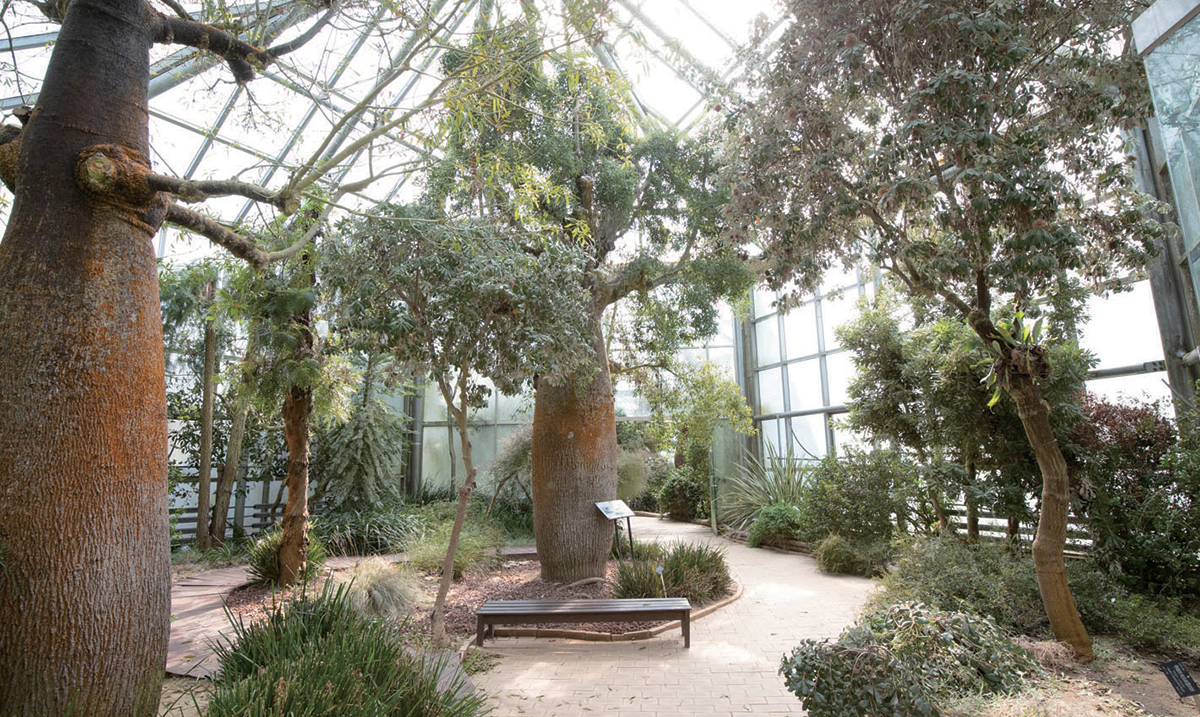
Meanwhile, Hantaek Botanical Garden—founded in 1979 and officially opened in 1984—has grown into Korea’s largest private botanical garden spanning 660,000㎡ and housing approximately 9,700 plant species across 34 themed gardens. Selected by the Korea Forest Service as one of the “Must-Visit Botanical Gardens,” it preserves natural valleys and terrain instead of reshaping them, carefully arranging sun-loving and shade-loving plants accordingly. It is especially renowned for its eco-friendly management of utilizing natural ecosystems and predator-prey relationships. Ladybugs, frogs, and birds form a living food chain, allowing plants to maintain balance naturally. One highlight that should not be missed is the baobab tree featured in the Australian greenhouse—famously appearing in The Little Prince—standing 7 meters tall with a circumference of 3.5 meters, the largest of its kind in Korea.
Yongin Birch Forest
A 231, Hwangsaeul-ro, Baegam-myeon, Cheoin-gu, Yongin-si, Gyeonggi-do, Korea
T 031-333-8877
Hantaek Botanical Garden
A 2, Hantaek-ro, Baegam-myeon, Cheoin-gu, Yongin-si, Gyeonggi-do, Korea
T 031-333-3558
Spring at the Korean Folk Village: A Journey Back in Time
Visitors can experience the springtime of the Joseon Dynasty at the Korean Folk Village. Established in 1974, it was once a renowned filming location for historical dramas. Today, it has evolved into a theme park that preserves the authentic lifestyle and architecture of the past. Traditional houses relocated from across the country—combined with lush natural surroundings—create the illusion of stepping into a village from centuries ago.
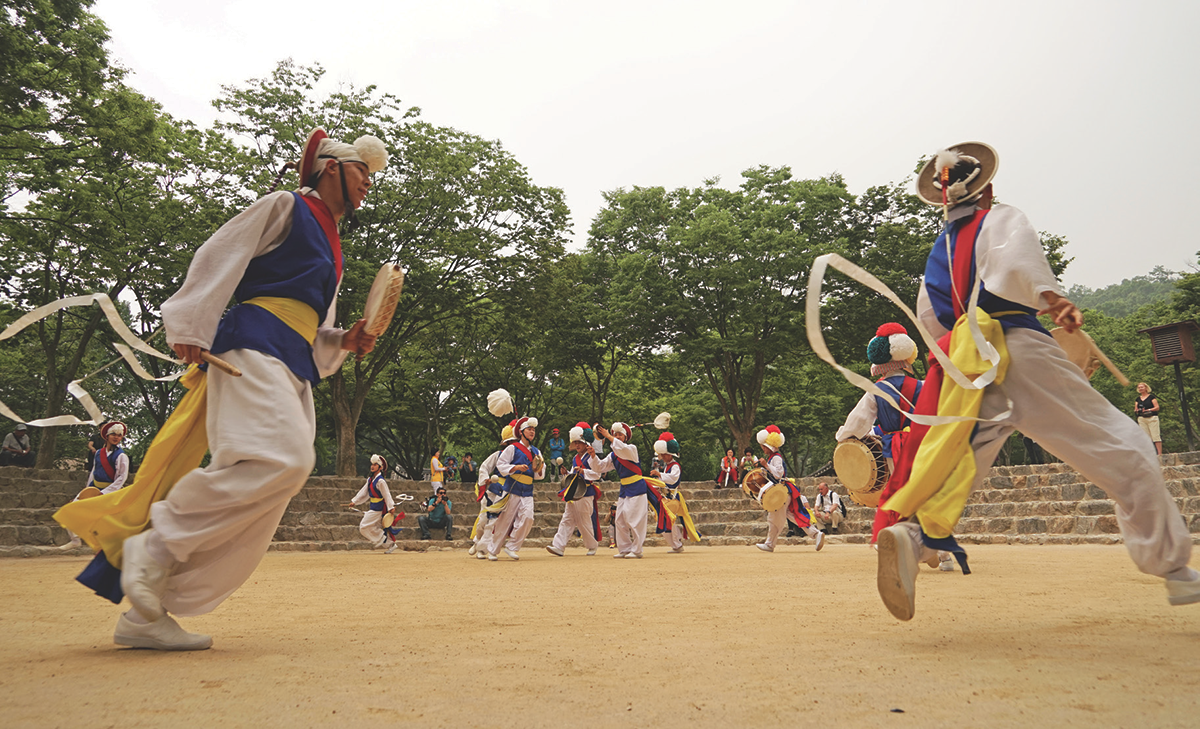
The signature festival of the Korean Folk Village, “Welcome to Joseon,” is in full swing with the arrival of spring. Colorful characters such as magistrates, guards, and playful performers interact with visitors throughout the village, bringing laughter and energy. As a traditional Korean outdoor theater performance enjoyed together with these performers, Madanggeuk is a big hit with people of all ages and genders. Impromptu skits staged at the local magistrate’s office or village school add an extra layer of fun to the experience. Hands-on fun activities abound—from trying on hanbok to participating in traditional dyeing and rice cake pounding, wherein visitors can make their own chewy injeolmi. Watching artisans at work in traditional workshops is equally rewarding. And no visit is complete without food. At the marketplace, a hearty bowl of beef gukbap simmered in a large cauldron, some golden-brown seafood pajeon, and a refreshing glass of dongdongju await.
Korean Folk Village
A 90, Minsokchon-ro, Giheung-gu, Yongin-si, Gyeonggi-do, Korea
T 031-288-0000
Jang Uk-jin’s House, the Home Loved by a Master Painter
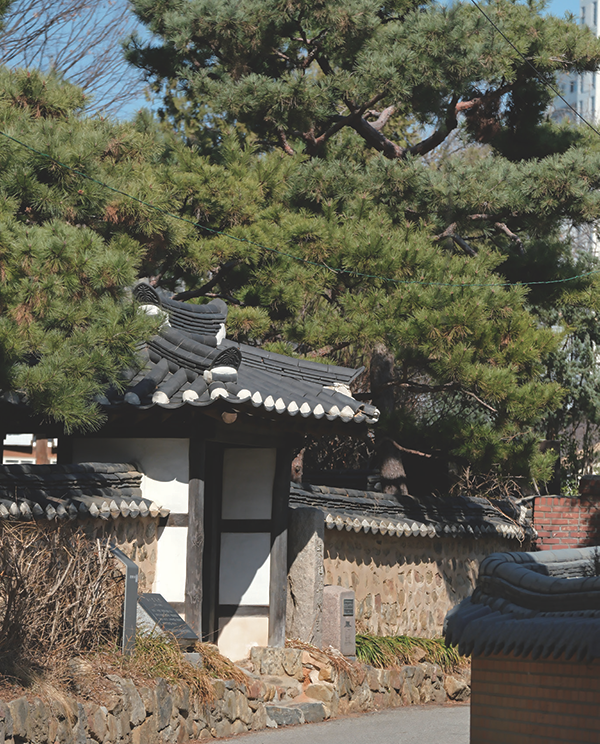
Amid rows of multi-family houses, a single hanok stands quietly like an island. This is the historic residence of Jang Uk-jin, marked by an old ginkgo tree that speaks of time. Pioneering first-generation painter Jang Uk-jin, who infused Western painting with distinctly Korean lines and colors, stayed here from 1986 until his passing in 1990. Though it was a relatively short period of 5 years, he produced around 220 works here—nearly one-third of his lifetime output—to mark the most prolific phase of his career.
The property consists of two traditional hanok buildings and one Western-style structure. Originally built as a thatched house in 1884, it was renovated into a tiled-roof home by the artist in 1986. The layout follows the typical “ㅁ”-shaped structure of Gyeonggi-do hanok, with separate living quarters and studio. Designed by the artist in 1989, the Western-style building now serves as an exhibition hall, appearing in various film and drama productions. The annex, previously used as a reception area, has been transformed into a bookstore and café. Enjoying a quiet cup of tea here after viewing the artist’s work makes for a perfectly serene spring experience.
Jang Uk-jin House
A 119-8, Mabuk-ro, Giheung-gu, Yongin-si, Gyeonggi-do, Korea
T 031-283-1911
Into a Dynamic Experience: FlyStation Korea
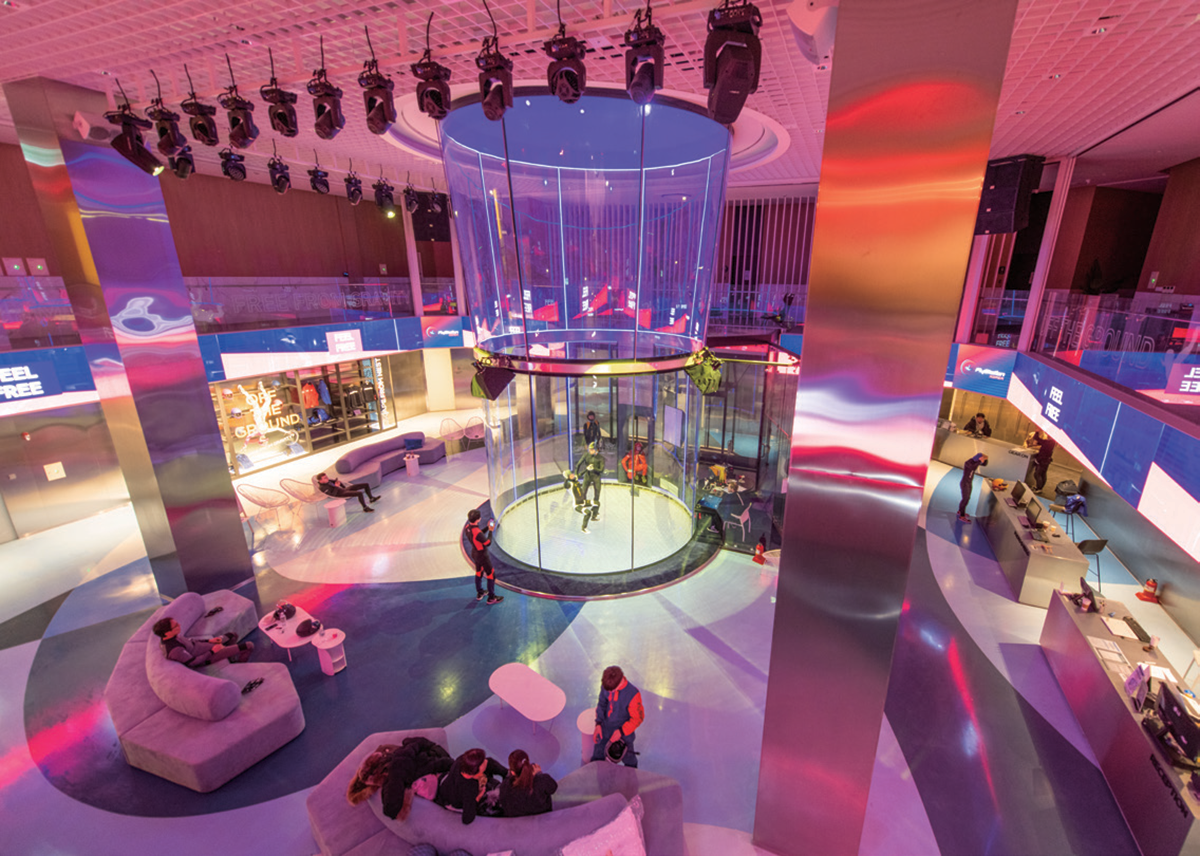
If you are looking to add a burst of energy to a calm spring outing, the indoor skydiving experience at FlyStation is an ideal choice. Riding winds of several hundred kilometers per hour inside a massive wind tunnel and lifting into the air offer a thrilling sense of liberation. Under the careful guidance of professional instructors, people of all ages can safely experience the dream of flying, making it especially popular among families. In spring in particular when the weather is often unpredictable, it provides the perfect setting to enjoy the season without being affected by changing weather conditions.
The initial moment of lift-off quickly transforms tension into a sense of freedom, with the rushing wind energizing the entire body. This gravity-defying experience offers a sense of challenge and courage to children, and an exhilarating escape from routine to adults. This spring, create unforgettable memories in Yongin—a city filled with diverse and captivating experiences.
ⓒ FlyStation Korea
FlyStation Korea
A 521, Seongsan-ro, Pogok-eup, Cheoin-gu, Yongin-si, Gyeonggi-do, Korea

 View previous
 이전호 보기