
 View previous
 이전호 보기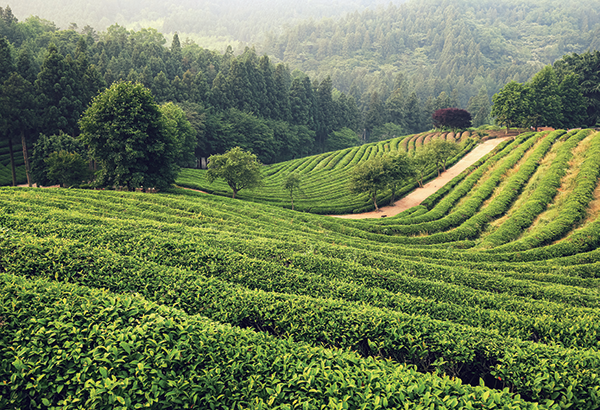
The rolling waves of green flowing along the mountain slopes resemble the breathing earth itself. Boseong Daehan Dawon, established in 1957 as Korea’s only tea tourism farm, embraces Korea’s largest inland sea of green. At the entrance, a towering cedar-lined path stretches skyward, fresh enough to brush away the dust of the mundane world. The tea leaves spread across the broad plains absorb the region’s mild climate and the sea’s humidity, radiating an especially luminous glow. As you pick tea leaves and breathe in the forest air, you will feel as though your entire body is receiving the mountain’s dew—true to the name “Bongno” (峯露), which means “mountain dew”.
The rolling waves of green flowing along the mountain slopes resemble the breathing earth itself. Boseong Daehan Dawon, established in 1957 as Korea’s only tea tourism farm, embraces Korea’s largest inland sea of green. At the entrance, a towering cedar-lined path stretches skyward, fresh enough to brush away the dust of the mundane world. The tea leaves spread across the broad plains absorb the region’s mild climate and the sea’s humidity, radiating an especially luminous glow. As you pick tea leaves and breathe in the forest air, you will feel as though your entire body is receiving the mountain’s dew—true to the name “Bongno” (峯露), which means “mountain dew”.
- A 763-43 Nokcha-ro, Boseong-eup, Boseong-gun, Jeollanam-do
- H 09:00~18:00
- F Adults : KRW 4,000 / Youth: KRW 3,000
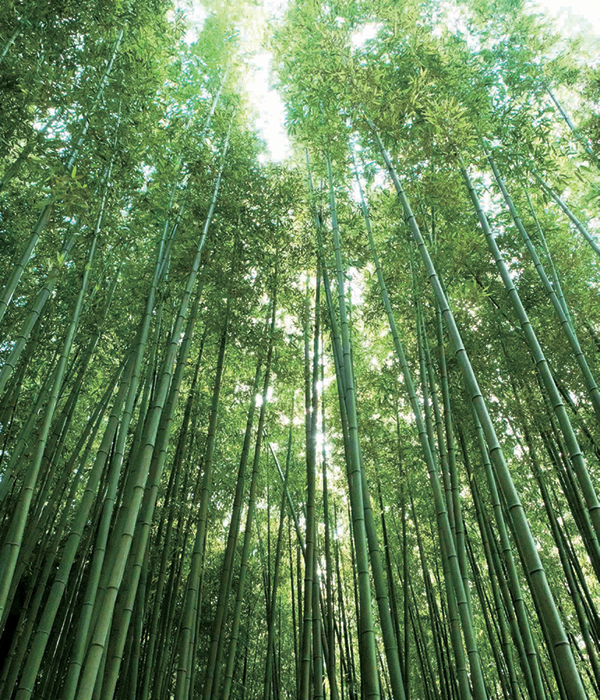
A bamboo forest is where the voice of the wind can be heard most clearly. Located along the Damyang Stream, Juknokwon offers the sensation of strolling through a secret garden, as neatly arranged bamboo stalks obscure the sky. Walking barefoot along the soft earthen paths, you will vividly feel the texture of the ground beneath your toes. At the tearoom, you can quietly savor a fresh cup of Jukrocha while gazing upon the scenery of Gwanbangjerim. Furthermore, the recent installation of a media art space enables visitors to experience the life cycle of bamboo through an artistic medium that combines the traditional aesthetics of the forest with a modern sensibility, allowing them to coexist within a uniquely meaningful time.
A bamboo forest is where the voice of the wind can be heard most clearly. Located along the Damyang Stream, Juknokwon offers the sensation of strolling through a secret garden, as neatly arranged bamboo stalks obscure the sky. Walking barefoot along the soft earthen paths, you will vividly feel the texture of the ground beneath your toes. At the tearoom, you can quietly savor a fresh cup of Jukrocha while gazing upon the scenery of Gwanbangjerim. Furthermore, the recent installation of a media art space enables visitors to experience the life cycle of bamboo through an artistic medium that combines the traditional aesthetics of the forest with a modern sensibility, allowing them to coexist within a uniquely meaningful time.
- A 119 Juknokwon-ro, Damyang-eup, Damyang-gun, Jeollanam-do
- H 09:00~18:00
- F Adults: KRW 3,000 / Youth: KRW 1,500
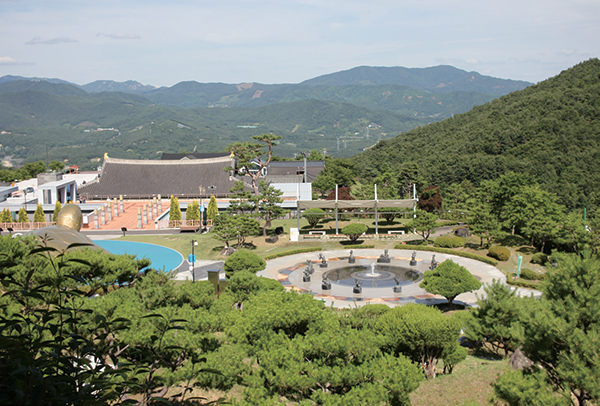
Embracing the energy of Cheonwangbong Peak of Jirisan Mountain, Sancheong is a healing land filled with the fragrance of medicinal herbs. The mountain slopes bearing the footsteps of Heo Jun and Yu Ui-tae resemble the foothills of the Alps, exuding both serenity and a resilient vitality. As you climb the S-shaped farm road that winds along the steep slopes, the scents of wildflowers and bittersweet herbs will tickle your nose. On misty mornings, a sip of water at the Yu Ui-tae Mineral Spring will leave you feeling as though you have partaken of the very spirit of the mountain. Each October, the Korean Medicinal Herb Festival becomes a gathering where all the participants share that profound fragrance. A gentle stroll through herb fields to the sound of the clear valley streams will nourish both your body and your soul.
Embracing the energy of Cheonwangbong Peak of Jirisan Mountain, Sancheong is a healing land filled with the fragrance of medicinal herbs. The mountain slopes bearing the footsteps of Heo Jun and Yu Ui-tae resemble the foothills of the Alps, exuding both serenity and a resilient vitality. As you climb the S-shaped farm road that winds along the steep slopes, the scents of wildflowers and bittersweet herbs will tickle your nose. On misty mornings, a sip of water at the Yu Ui-tae Mineral Spring will leave you feeling as though you have partaken of the very spirit of the mountain. Each October, the Korean Medicinal Herb Festival becomes a gathering where all the participants share that profound fragrance. A gentle stroll through herb fields to the sound of the clear valley streams will nourish both your body and your soul.
- A 61 Donguibogam-ro 555beon-gil, Geumseo-myeon, Sancheong-gun, Gyeongsangnam-do
- H 10:00~18:00
- F Free
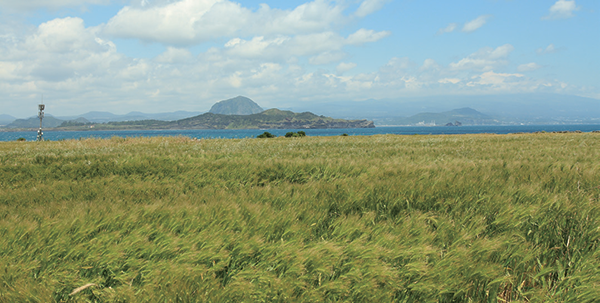
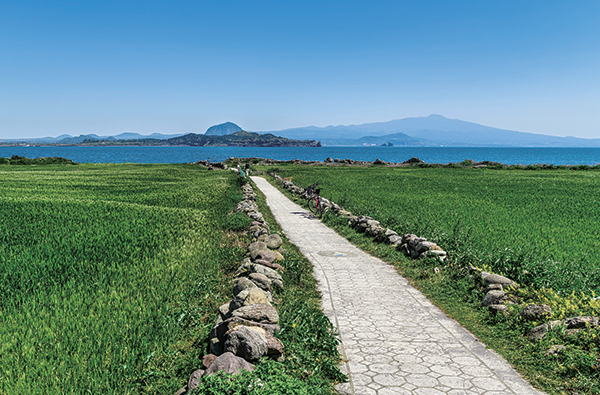
Gapado is a place where green waves begin to ripple early on and the sea breeze from across the sea heralds the onset of spring. The island’s green barley “Hyangmaek,” a resilient native Jeju variety that grows amid the island’s harsh winds, grows taller and greener than elsewhere, filling a vast field of 180,000 pyeong (595,000㎡). Watching the waves of barley shimmer at the boundary where the distant horizon meets the skyline, one’s agitated heart grows calm in gentle unison with nature. From early April to early May, when the barley reaches its peak, a festival is held. As you walk along the Olle Trail and fly kites carrying your wishes, the spring of Jeju gently settles into your embrace.
- A Gapado Area, Seogwipo-si, Jeju-do
- H All-year-round
- F Ferry to Gapado: Adults: KRW 14,500 /
Youth: KRW 14,300 / Children: KRW 7,500