
 View previous
 이전호 보기
 - Walking through Seoul in K-Demon Hunters. From Naksan to Bukchon
-
The Netflix animation <K-Pop: Demon Hunters> transforms iconic locations in Seoul into fantastical battle stages for exorcising evil spirits, drawing fans’ footsteps. Among them, Naksan (125m above sea level) in Jongno-gu boasts a wide-open urban panorama despite its low height. It is depicted in the animation as the optimal place for hunters to monitor the city and plan operations, heightening tension. The route from Hyehwa Station, past the murals of Ihwa Village, to the summit is considered one of the best walking trails for foreign travelers to take in Seoul’s past and present at a glance. Especially when dusk falls and night comes, soft golden lights illuminate along the Hanyangdoseong Fortress walls, romantically coloring Seoul’s nights. The scenery, while familiar to us, is regarded by outsiders as one of the best places to capture Seoul’s past and present at a glance.
Myeongdong Street is always vibrant and bustling with flashy electronic billboards and crowds gathering from all over the world. In the animation, such bustle is instead portrayed as a backdrop ideal for evil spirits to hide, becoming the stage for heart-stopping chase scenes.
Today, Myeongdong has established itself as a central hub symbolizing K-beauty and K-food. Travelers enjoy shopping on the very streets that appeared in the animation. Weaving through the dense lineup of road shops and global brands, they experience the vibrant present of Seoul first-hand through all of their five senses. While walking through the bustling district, you find yourself naturally heading toward Myeongdong Cathedral. Completed in 1898, this cathedral is Korea’s first Gothic-style architectural structure; thus holding high historical value. In contrast to the flashy and noisy streets of Myeongdong, the area around the cathedral is imbued with a reverent, tranquil atmosphere, making it a special space where one can pause, catch one’s breath, and enjoy peaceful rest.
Located between Gyeongbokgung Palace and Changdeokgung Palace, Bukchon Hanok Village is a residential area of the yangban(elite) class formed during the Joseon Dynasty, preserving a long history of 600 years. In the animation, Bukchon Hanok Village is where the huntress performed action scenes across tiled rooftops. It is truly delightful to walk the narrow alleyways while imagining the harmony between serene hanok houses and modern action. As you walk through the village, however, you may be surprised by how the yangban houses are smaller in scale than expected. This is because, during the Japanese colonial period, housing management companies purchased large parcels and forested land in Bukchon and then developed them en masse into the medium- and small-sized hanok seen today. Note that this is a living space where actual residents reside, so visitors should remain quiet during trips.
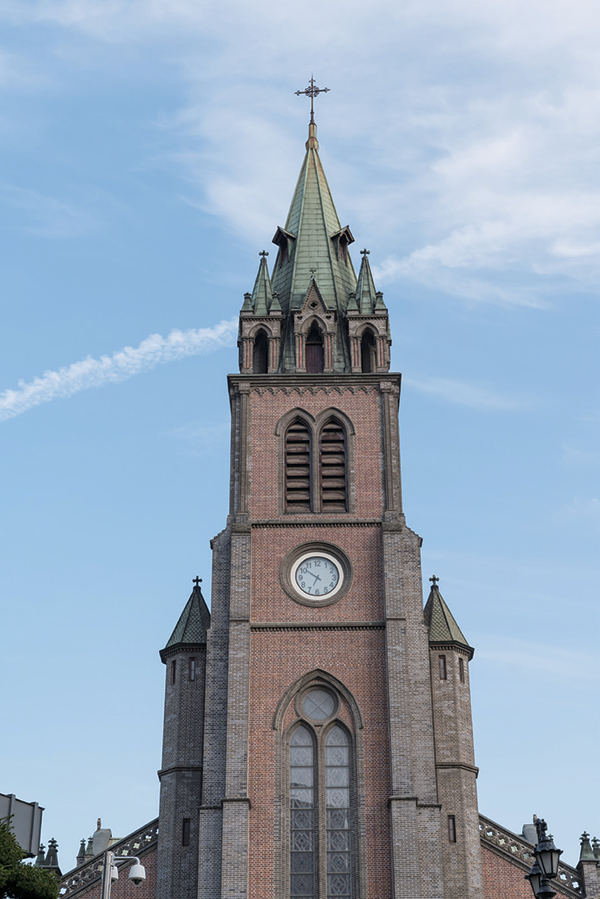
- Myeongdong Cathedral
- A 74 Myeongdong-gil, Jung-gu, Seoul
- T 02-774-1784
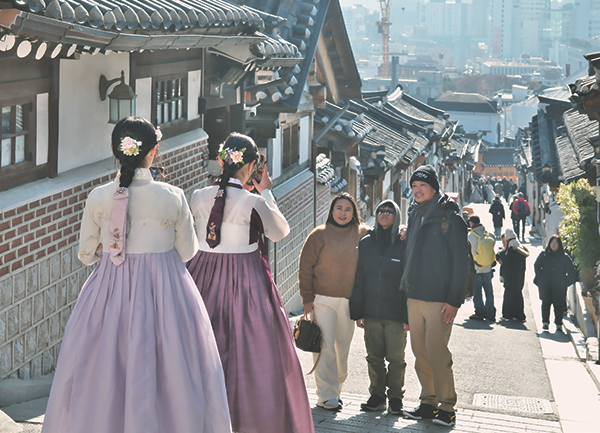
- Bukchon Hanok Village
- A 37 Gyedong-gil, Jongno-gu, Seoul
- T 02-2148-4161
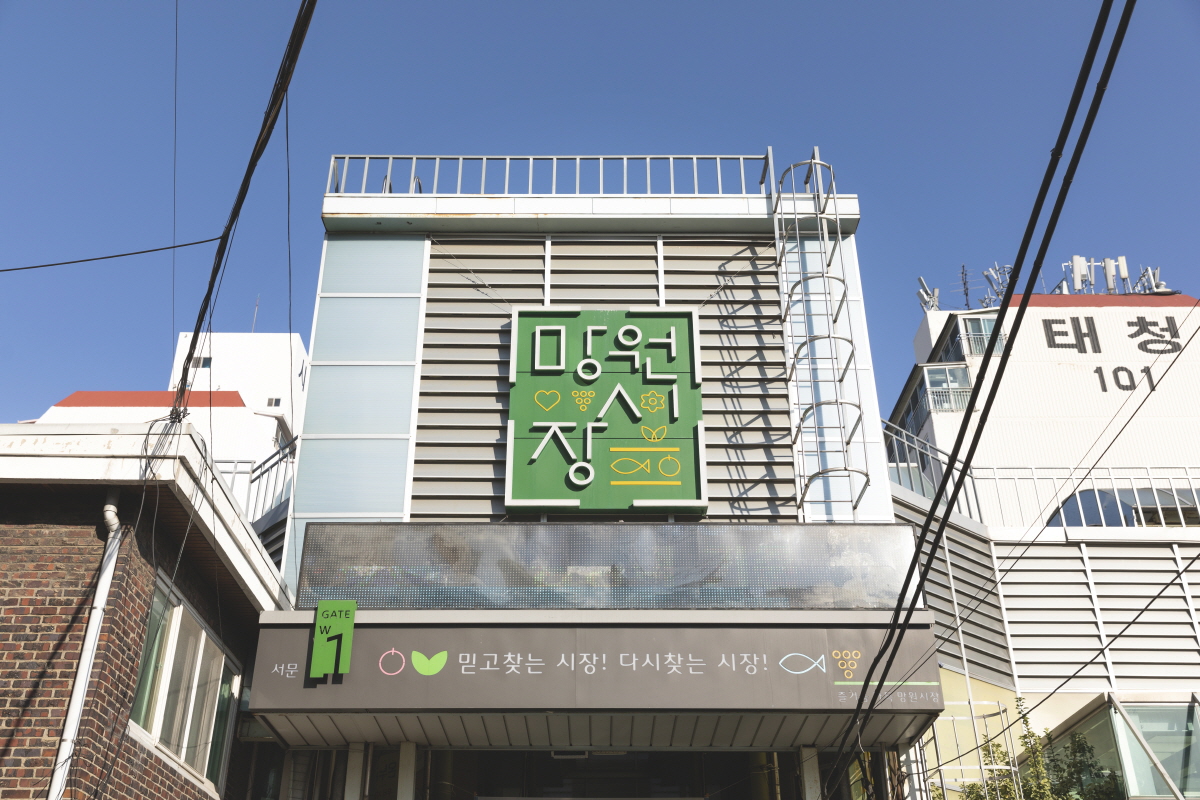
- Mangwon Market
- A 2F, 27 Poeun-ro 6-gil, Mapo-gu, Seoul
- T 02-335-3591
- Major attractions in Seoul frequently visited by foreign travelers
-
Mangwon Market has now emerged as a global tourist attraction thanks to the influence of various K-content including Netflix. Foreign travelers visiting the market are enthusiastic about “local-oriented” travel that lets them experience the real lives of Koreans up close; in particular, their footsteps continue in order to enjoy Korea’s uniquely vibrant food culture, keeping the market lively at all times. Formed in the 1970s, Mangwon Market grew to its current scale as small shops gradually gathered along the alleys. The floating population increased rapidly after Mangwon Station on Subway Line 6 opened in 2000, and shops offering reasonable prices and distinctive menus targeting newlyweds and single-person households began to appear. This trend led to the formation of nearby “Mangridan-gil.” After enjoying food at the market, visitors can explore independent bookstores, vintage goods shops, and stylish cafés in Mangridan-gil, or enjoy walks and picnics at Mangwon Hangang Park about 1 km away.
Among Seoul’s 11 Hangang parks, Yeouido Hangang Park is overwhelmingly frequented by foreign tourists. Not only does it boast a excellent surrounding shopping and tourism infrastructure; recently, a giant balloon-shaped aircraft called “Seoul Dal (moon)” has been enjoying unrivaled popularity. Unlike conventional hot-air balloons, Seoul Dal is a tethered gas balloon that uses helium gas, connected to the ground by cables; thus allowing safe ascents without the risk of drifting off course. The approximately 15-minute flight is sufficient to enjoy wide-open city views from 130 meters aboveground and to take commemorative photos. The panorama of Hangang Park, National Assembly Building, and forests of high-rise buildings spread out below offers breathtaking beauty beyond imagination. On clear days, a miraculous view unfolds wherein even Dobongsan Mountain can be seen at a glance.
- Places to experience K-culture
-
As a representative attraction favored by foreign tourists, Bongeunsa Temple has preserved a millennium of stillness amid the forest of skyscrapers in Seoul’s Gangnam district. The true charm of Bongeunsa lies in its special spatial beauty wherein cutting-edge modern cityscapes and ancient tradition coexist in exquisite harmony. The symbol of Bongeunsa—which was founded during the Silla period—is undoubtedly the imposing 23-meter-tall Maitreya Buddha statue. With a gentle smile facing the forest of buildings, this statue boasts a beautiful curves and gives the impression of warmly embracing the harsh urban environment. Another must-visit spot is the Panjeon Hall located deep within the temple grounds.
Here hangs the “Panjeon” inscription plaque given by Chusa Kim Jeong-hui, the greatest calligrapher of the Joseon Dynasty, three days before his death. This so-called “unadorned (zolbak)” style of calligraphy—which strips away ornamentation and focuses on essence—is a precious cultural heritage showing the pinnacle of Chusa’s art. If you wish to experience a special night in the city, the temple stay program is recommended. It is ideal for stepping away from the hustle and bustle of the city and setting aside the complexities of daily life while enjoying meditation and tea ceremonies.
Entering the world’s top three in museum visitor rankings after the Louvre Museum and the Vatican Museums, the National Museum of Korea is truly the “origin of K-culture.” Among its collections that compile Korea’s history and culture, the must-see highlights include the “Room of Contemplation” and the “Ten-Story Stone Pagoda of Gyeongcheonsa Temple.” The “Room of Contemplation” displays two Pensive Bodhisattva statues from the Three Kingdoms period side by side in an independent space, offering visitors a chance to experience deep reflection and tranquility. In addition, “The Ten-Story Stone Pagoda of Gyeongcheonsa Temple” of the late Goryeo—which stands majestically through the wide-open central hall from the first to the fourth floors—is simply enchanting with its exquisite carving techniques. Designated as National Treasures, these two masterpieces vividly show the roots and essence of K-culture, which is drawing global attention today.
The museum’s popularity extends beyond exhibitions to cultural merchandise. As a unique brand developed by the National Museum of Korea that reinterprets traditional patterns with a modern sensibility, “MUZ” enjoys unrivaled popularity that it induces opening runs and sell-outs, earning praise for sublimating Korean aesthetics into everyday items.
Rising high above Seoul’s skyline, Lotte World Tower is a vertical city and cultural complex symbolizing Korea’s stature. In particular, Seoul Sky, the observatory located 500 meters aboveground, is an essential course offering thrilling experiences for foreign travelers. The dizzying glass-floor Sky Deck beneath one’s feet and the Sky Bridge tour that feels like walking above the clouds are considered the essence of K-thrill. Lotte World Mall at the lower levels of the tower is filled with pop-up stores reflecting the latest K-trends and renowned eateries, pleasing visitors’ five senses. The night view where the tranquil scenery of nearby Seokchon Lake harmonizes with the magnificence of skyscrapers offers the most perfect moment when Seoul’s cutting-edge technology and nature coexist.
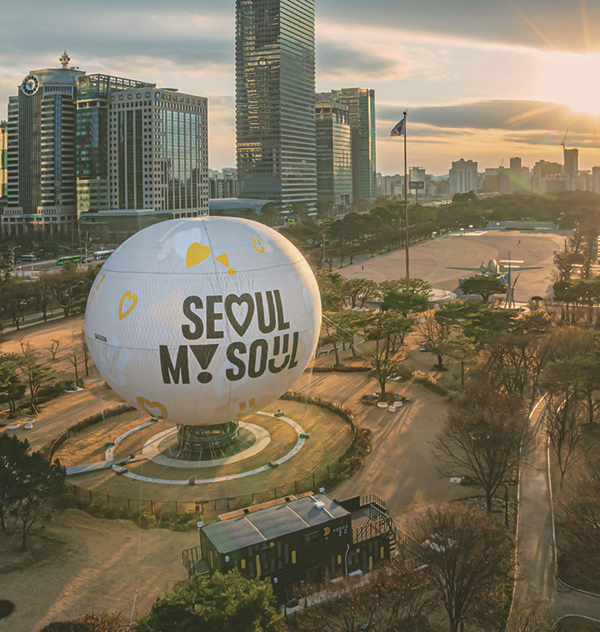
Yeouido Hangang Park
A 330 Yeouidong-ro, Yeongdeungpo-gu, Seoul
T 02-3780-0561~6
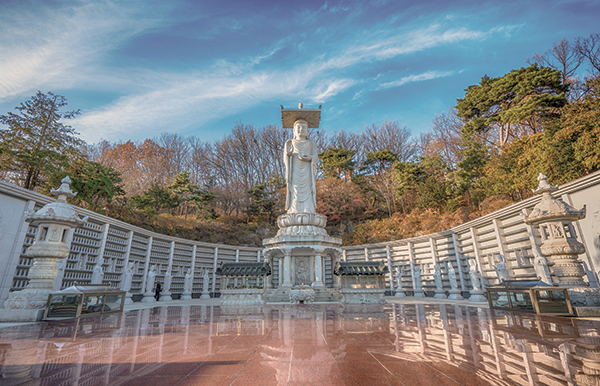
Bongeunsa Temple
A 531 Bongeunsa-ro, Gangnam-gu, Seoul
T 02-3218-4800
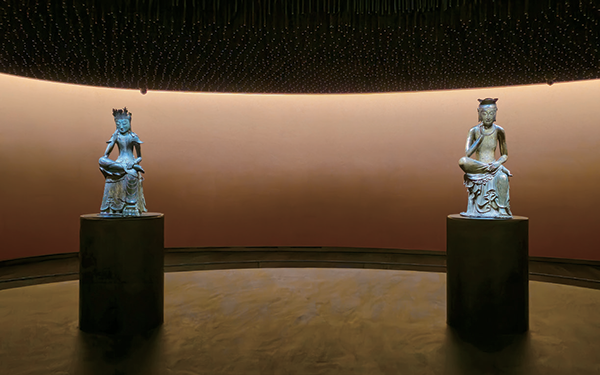
National Museum of Korea
A 137 Seobinggo-ro, Yongsan-gu, Seoul
T 02-2077-9000
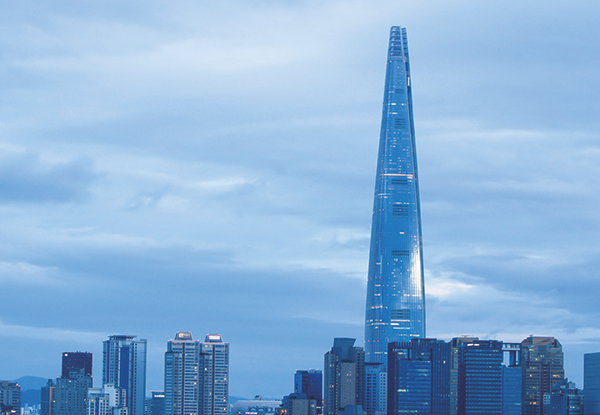
Lotte World Tower
A 300 Olympic-ro, Songpa-gu, Seoul
T 02-3213-5000