
 View previous
 이전호 보기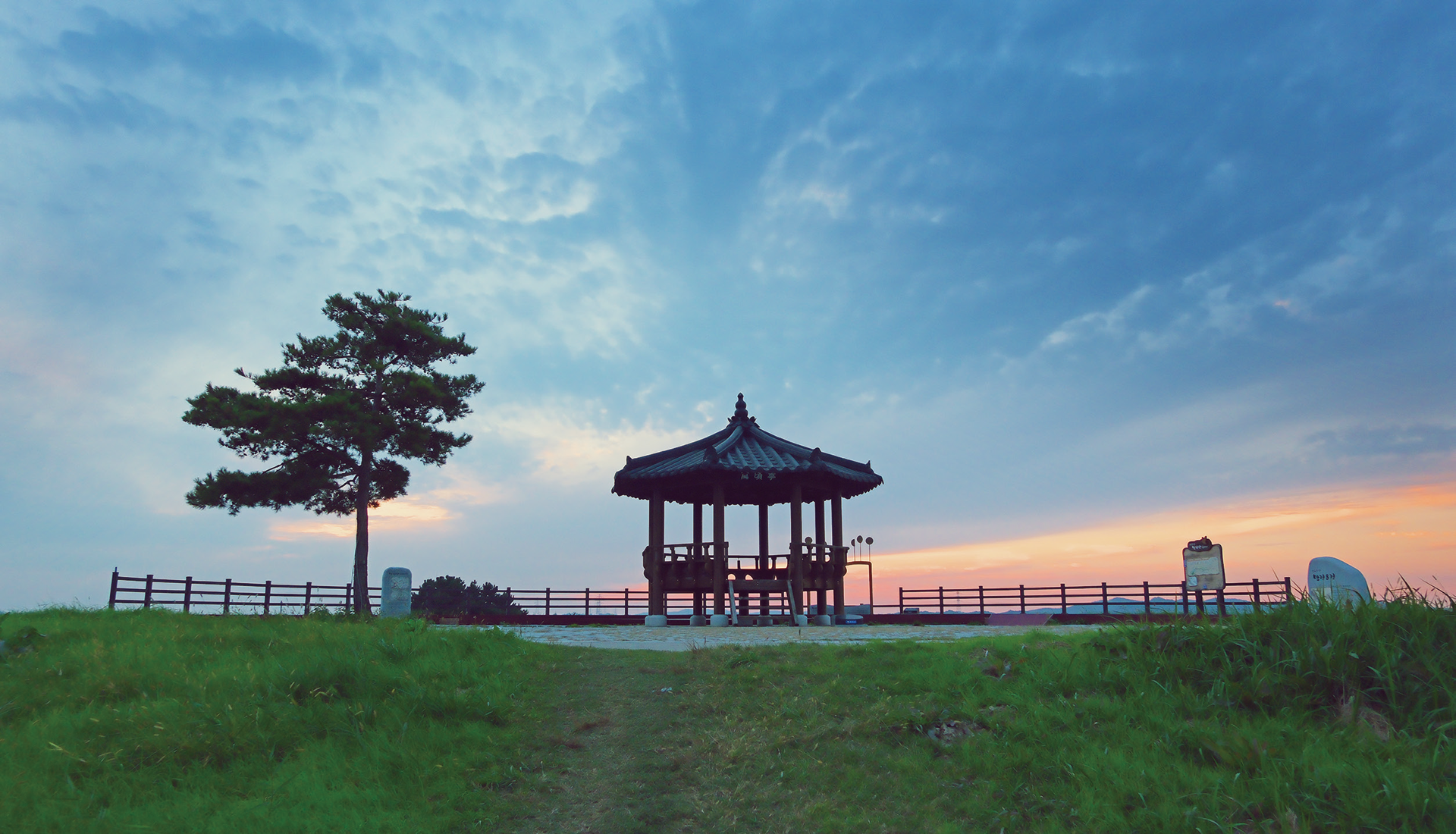
-
- Mangyeong Sunset Observatory
- 216 Tojeong-gil, Mangyeong-eup, Gimje-si, Jeollabuk-do
- Gimje: A Land of Miracle that Nurtures Life
-
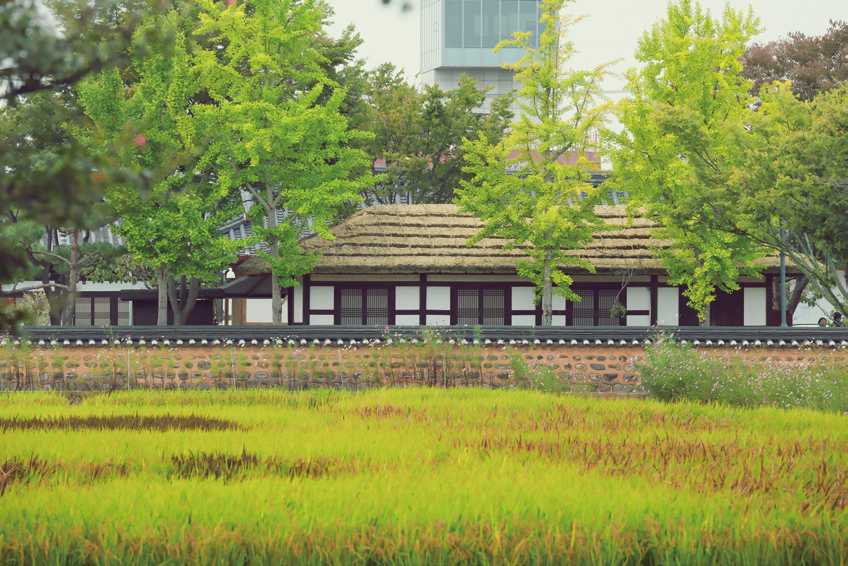
“At the far end of the green fields, the land faintly stretched into the distance. The vast plains, devoid of midday vigor, sank into an eerie stillness.” Like the opening line of Cho Jung-rae’s novel Arirang, Gimje offers rare expansive horizons. Skies reflect on flooded fields in spring, with golden fields stretching endlessly in autumn. Behind this landscape is Byeokgolje, a reservoir constructed during the Three Kingdoms period, with the remaining embankments and sluices hinting at advanced ancient civil engineering. Altered in 1925 by the Dongjin Land Improvement Association for irrigation, the site has since lost much of its original form.
Today, Byeokgolje features not only the sluice gate and Restoration Monument but also a variety of attractions and experiences. At Byeokgolje Agricultural Culture Museum, Agricultural History Pavilion, and Experience Center, visitors can explore the history and value of agriculture, learn about the principles of irrigation facilities, view traditional farming tools, and experience the rice cultivation process. The twin dragon sculpture serves as Byeokgolje’s signature photo spot, inspired by the legend of the dragons believed to have once guarded the reservoir.
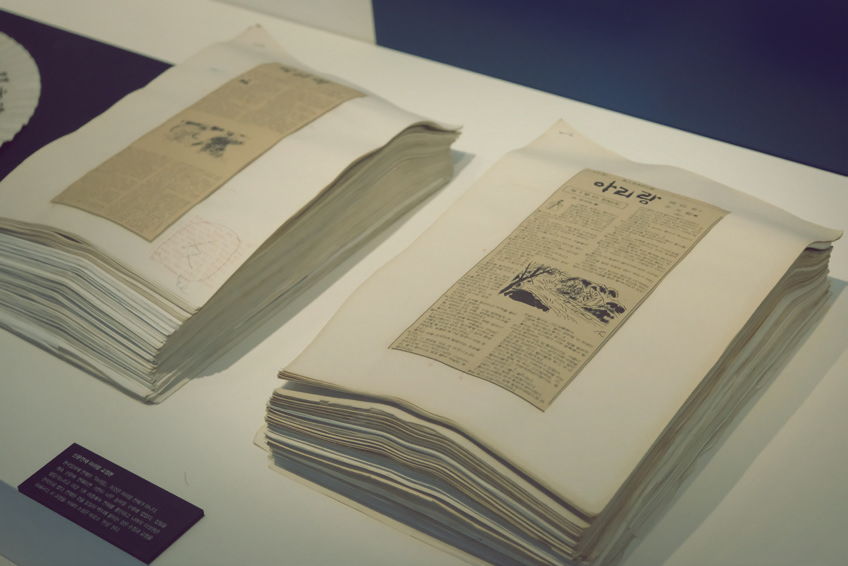
Across the road from Byeokgolje is Arirang Literature Hall. As an epic novel by Cho Jung-rae, Arirang depicts the hardships and resistance of common people who dispersed across the world to escape from the 40-year Japanese occupation. Stepping inside the Hall, visitors can hear the author’s voice narrating in a calm voice, “Jingge Maenggaeng Oeemitdeul” (the wide fields of Mangyeong in Gimje) have long been the rice granary of our nation. Because of their abundance, they became a major target of Japan’s exploitation during the colonial period. Paradoxically, these same fields later became the main setting of the epic novel Arirang, which bears witness to that turbulent era.” The hall displays the author’s handwritten manuscripts and research materials.
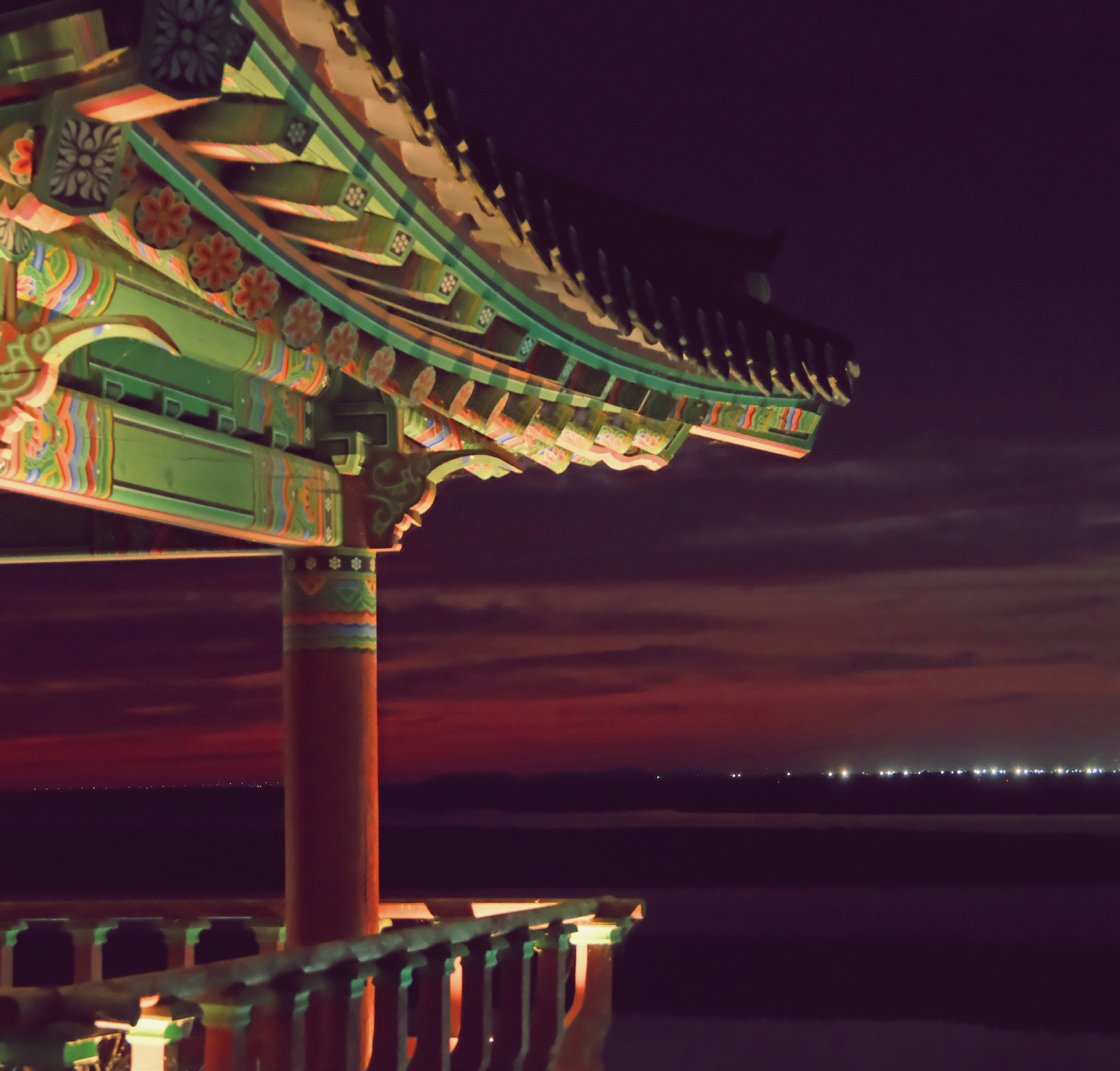
When you leave the fields behind and climb Mangyeong Sunset Observatory, the landscape changes quite drastically, offering panoramic views encompassing the rice stalks heavy with golden grain, the waves of rice fields swaying in the wind, and the distant horizon all captured at a glance. Nearby Manghaesa meaning “to overlook the sea” is a small Buddhist temple facing the sea that captures the warm red sunset. The tranquil red sunset as viewed from the courtyard of Daeungjeon Hall feels warm even in the crisp weather. Sitting beneath the ancient zelkova tree, one is reminded of the quiet moments of farmers pausing their work to gaze up at the sky. Simpo Port at the far end of Mangyeong River has long served as a small fishing harbor in Gimje, imbued with the scent of the sea. Several restaurants there serve freshly caught seafood cooked with care, tempting the palates of culinary travelers.

-
- Byeokgolje
- 442 Byeokgolje-ro, Buryang-myeon, Gimje-si, Jeollabuk-do
-
- Arirang Literature Hall
- 24 Yongsung 1-gil, Buryang-myeon, Gimje-si, Jeollabuk-do
-
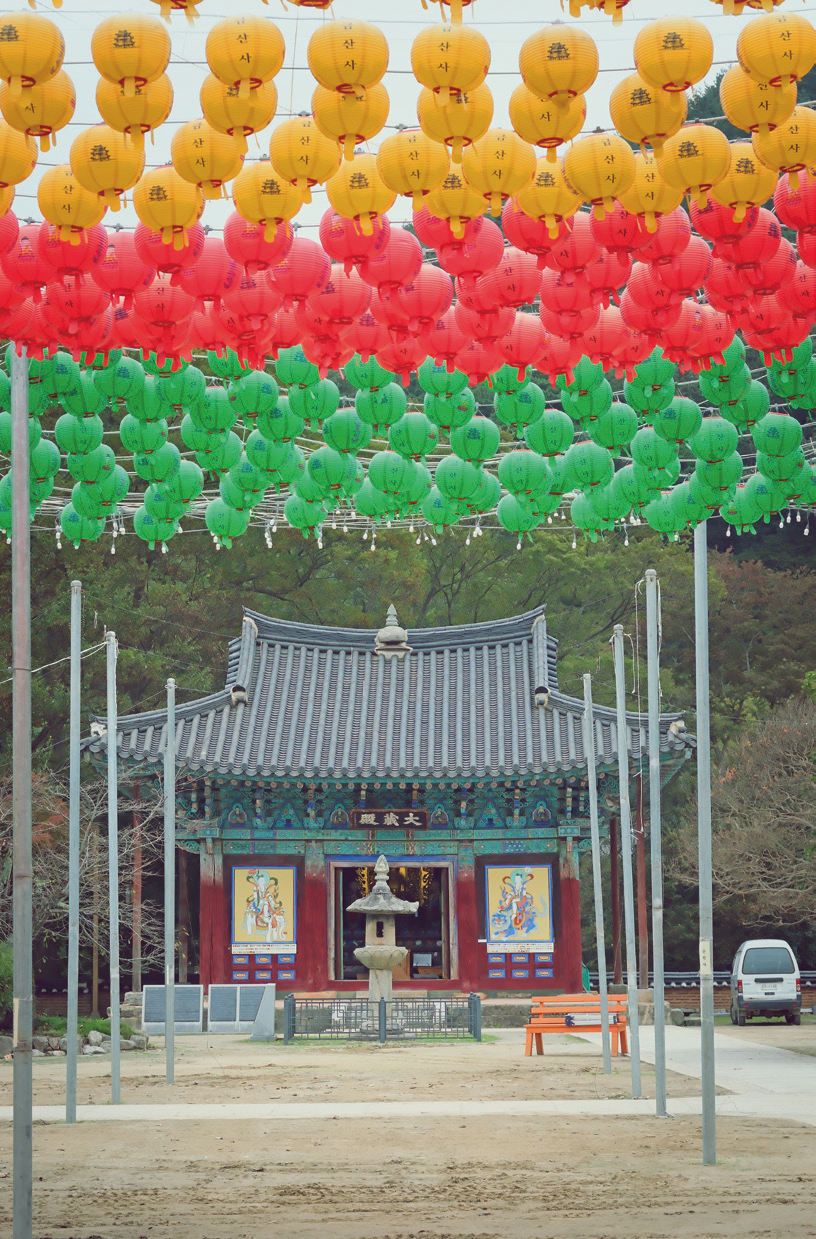
- Geumsansa Temple
- 1 Moak 15-gil, Geumsan-myeon, Gimje-si, Jeollabuk-do
-
- Geumsan Church
- 407 Moak-ro, Geumsan-myeon, Gimje-si, Jeollabuk-do
-
- Suryu Catholic Church
- 643 Suryu-ro, Geumsan-myeon, Gimje-si, Jeollabuk-do
- Gimje: a Place Where Daily Miracles of Life Happened
-
Life in Gimje flows at different speeds than that on the plains. Agricultural harvests sustained life, with faith and community patching everyday gaps while people expressed resistance and stood up to power. At the center was Geumsansa Temple located at the foot of Moak Mountain.
Geumsansa is a thousand-year-old temple founded during the reign of Baekje’s King Beopwang (599). It flourished during the reign of Goryeo’s King Munjong, serving as a spiritual pillar for the local community through Maitreya worship and later inspiring the Donghak movement and the Righteous Army movement. The Maitreya Buddha in Maitreya Hall has a height of 11 meters, embodying the earnest hopes of people yearning to escape the harsh realities. On weekends, visitors flock to stroll along the serene temple paths and enjoy the autumn scenery where the hall and colorful foliage harmonize. The temple houses many national treasures including designated National Treasures and Important Cultural Properties.
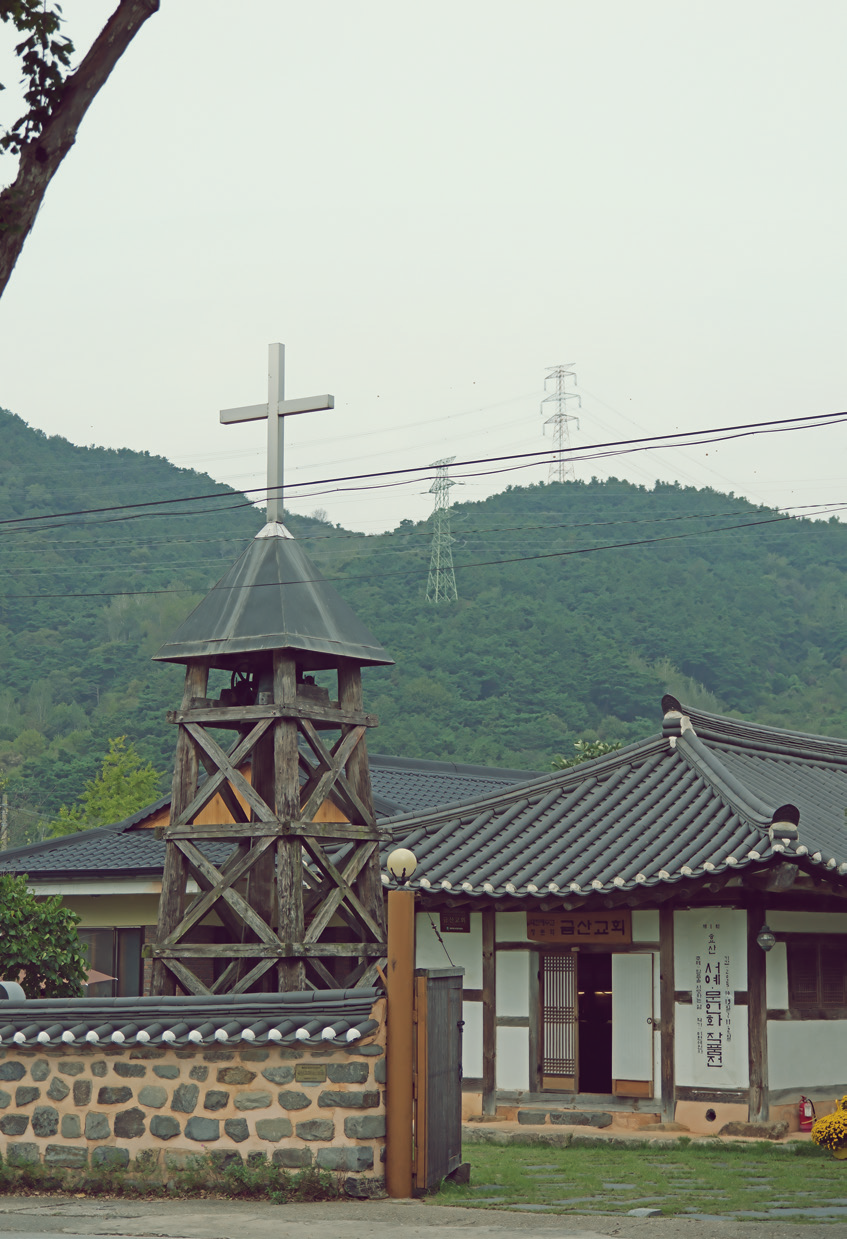
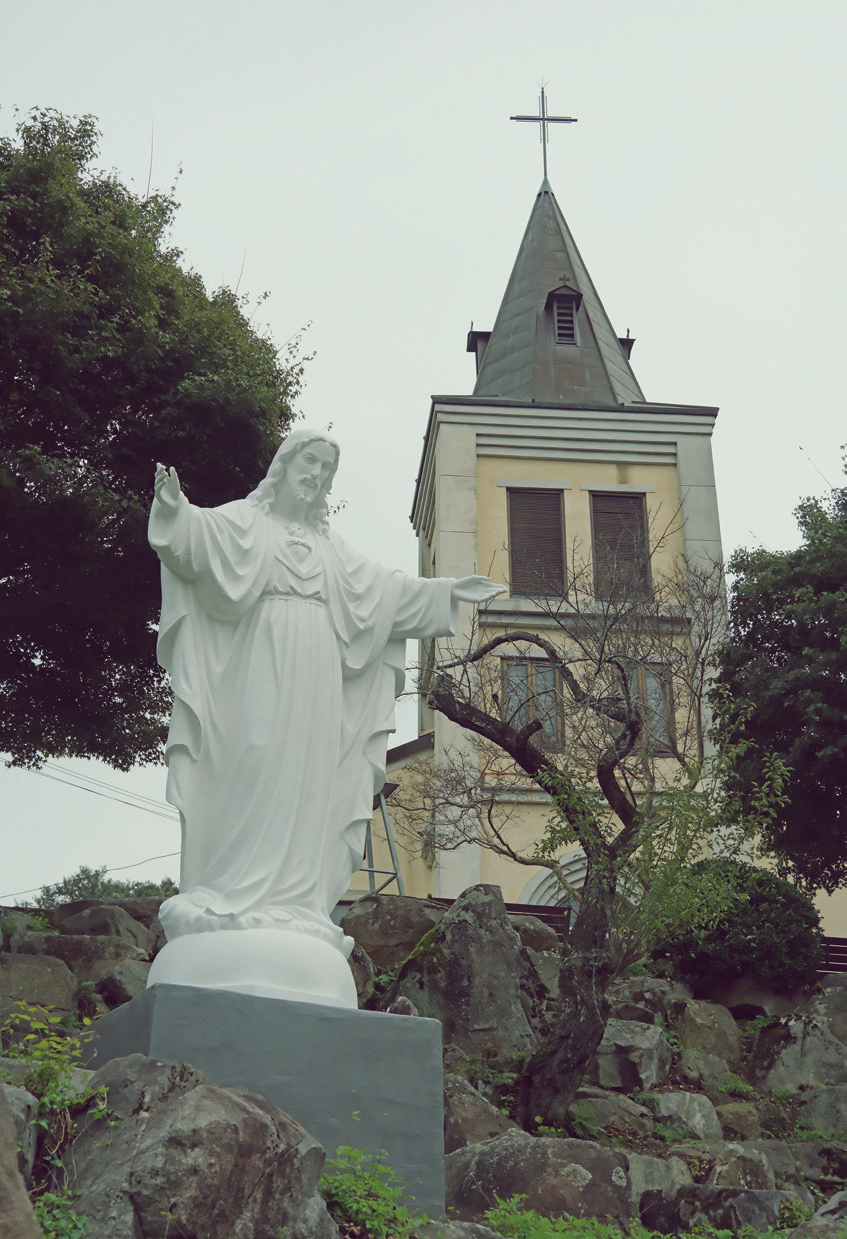
Near Geumsansa Temple stands a worship hall with distinctive architectural beauty: Geumsan Church, established in 1908 by American Presbyterian missionary Rev. Lewis B. Tate (Korean name: Choi Ideok) and his wife. At the time, Confucian customs prohibited men and women from sitting together, so the chapel was constructed in “ㄱ” shape. This unique layout, along with preserved artifacts, illustrates the early life of the faith-based community. In contrast, the nearby Suryu Catholic Church boasts of elegant Western Gothic-style architecture. Its rusty bell produces a deep, gentle resonance even when lightly struck, leaving a lingering impression on the hearts of visitors.
At the heart of Gimje lies Wonpyeong Jipgangso, a site where the suppressed anger of the common people erupted. A butcher by birth, Dongnokgae reportedly donated it to General Kim Deok-myeong in 1894 during the Donghak movement, asking General Kim to help create a society without class discrimination. On one side of the yard stands a jangseung (traditional wooden guardian totem pole) inscribed with “Dongnokgae’s Dream.” The heavily frowned facial expression conveys the profound anguish of a person oppressed by social status. The current building is a restored structure.
The next stop is Arirang Literary Village created in Juksan-myeon, the setting of the novel Arirang, bringing the story vividly to life. The village is divided into the promotion center, Harbin Station, Naechon and Oeri villages, and modern Japanese colonial-era exploitation institutions. The promotion center presents the novel in a multidimensional way, allowing visitors to understand its content even without reading the book. In Naechon and Oeri villages, the homes of characters such as Son Pan-seok, Ji Sam-chul, Gamgol Daek, and Song Su-ik have been reconstructed. The thatched houses surrounded by low fences evoke the feel of a folk village, yet reading the informational plaques set up at each house brings the harsh realities of the time vividly to mind. In the modern exploitation section, the desperate pleas of villagers and harsh, brutal responses ignoring the pleas provide a stark contrast illustrating the extreme historical realities. Harbin Station is recreated at 60% of its actual size, vividly depicting the historical moment when patriot An Jung-geun shot Japanese Prime Minister Ito Hirobumi in front of a steam locomotive.
The journey through Gimje begins in golden fields, moves through Arirang Literary Village, and continues to Mangyeong Sunset Observatory glowing in red and Manghaesa Temple, ending at Simpo Port where deep darkness sets in. As golden waves flow into Mangyeong River, they meet the 33.9 km Saemangeum Seawall known as the “Great Wall of the Sea.” Listed in the Guinness World Records as the world’s longest seawall, Saemangeum combines the Gimje and Mangyeong plains, historically called “Geumman Plain.” The name was reversed and prefixed with “Sae” meaning “new” to form “Saemangeum,” promising a new golden miracle. Visitors can experience the ordinary yet essential daily miracles as they explore the golden sunlight and shimmering fields of Gimje.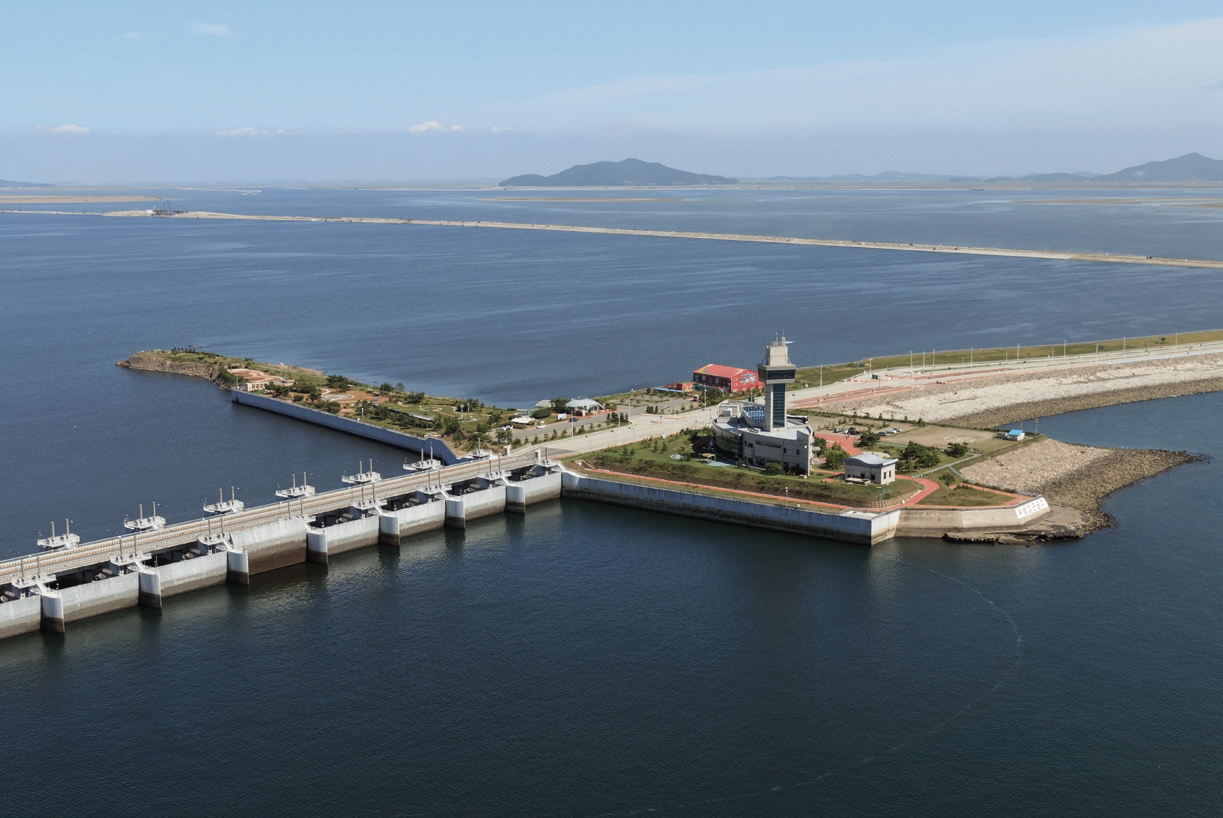
-
- Wonpyeong Jipgangso
- 5 Bonghwang-ro, Geumsan-myeon, Gimje-si, Jeollabuk-do
-
- Arirang Literary Village
- 180 Hwacho-ro, Juksan-myeon, Gimje-si, Jeollabuk-do
-
- Simpo Port
- 172 Simpo 6-gil, Jinbong-myeon, Gimje-si, Jeollabuk-do
-
- Manghaesa Temple
- 94 Simpo 10-gil, Jinbong-myeon, Gimje-si, Jeollabuk-do